


As humanist–existential chaplaincy continues to develop across healthcare, education, prisons, military contexts, and community settings, national organisations are navigating increasing complexity.
Common challenges include:
• Growing numbers of applicants
• Limited volunteer capacity to deliver repeated training cycles
• Rising expectations around professional standards
• The need for structured Continuing Professional Development (CPD)
• Governance and safeguarding responsibilities
• Pressure to increase practitioner numbers without increasing administrative burden
- IHEC does not accredit practitioners.
- Accreditation, endorsement, and professional registers remain the responsibility of national humanist organisations.
- IHEC provides the structured formation and ongoing professional development layer that supports both new and existing practitioners within those systems.
Professional ecosystems mature when formation, CPD, and accreditation are distinct but aligned.
I-HEC provides:
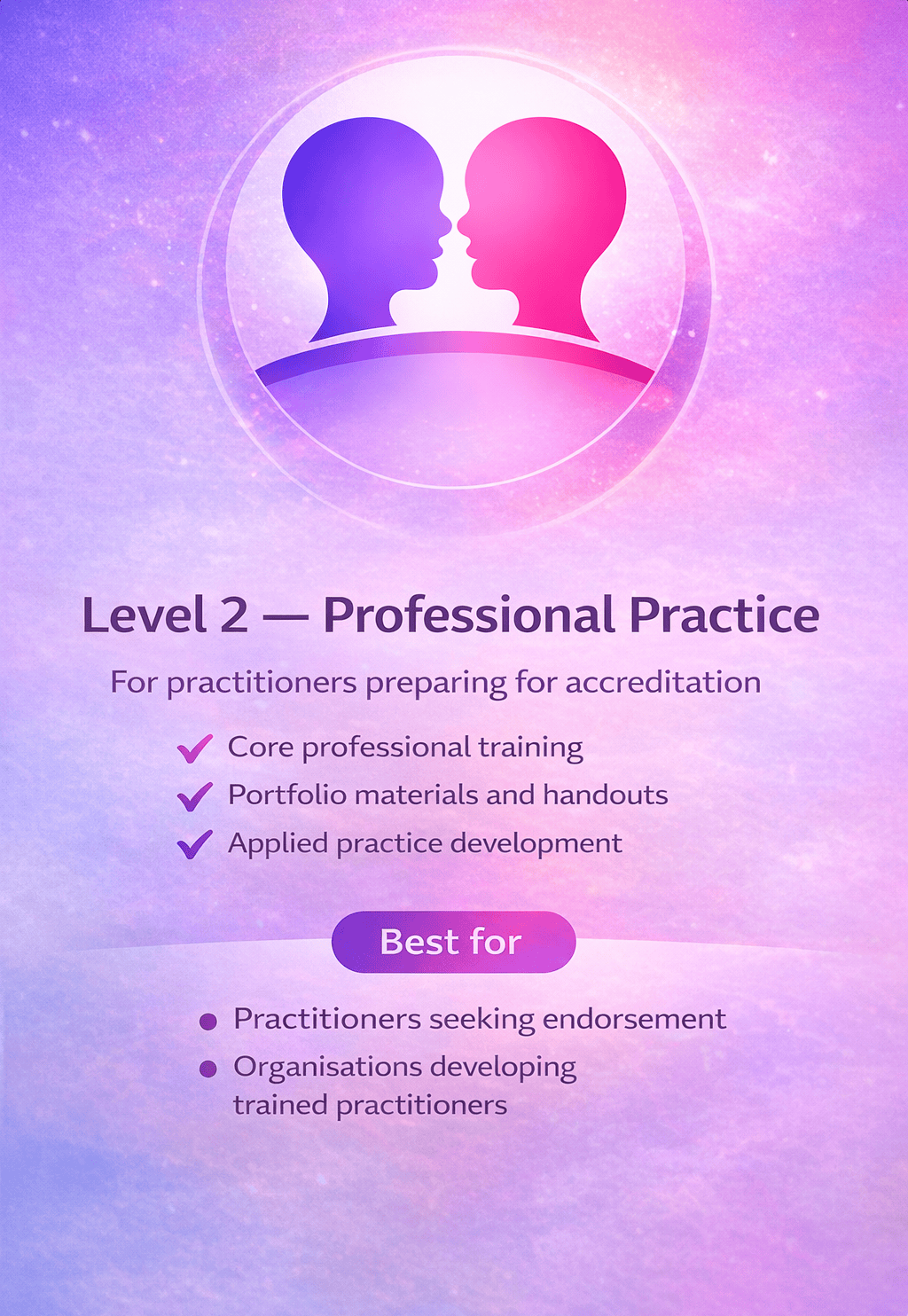
• Structured professional formation for emerging practitioners
• Applied skills development and assessed learning
• Documented training hours and competency evidence
• Continuing Professional Development modules for accredited practitioners
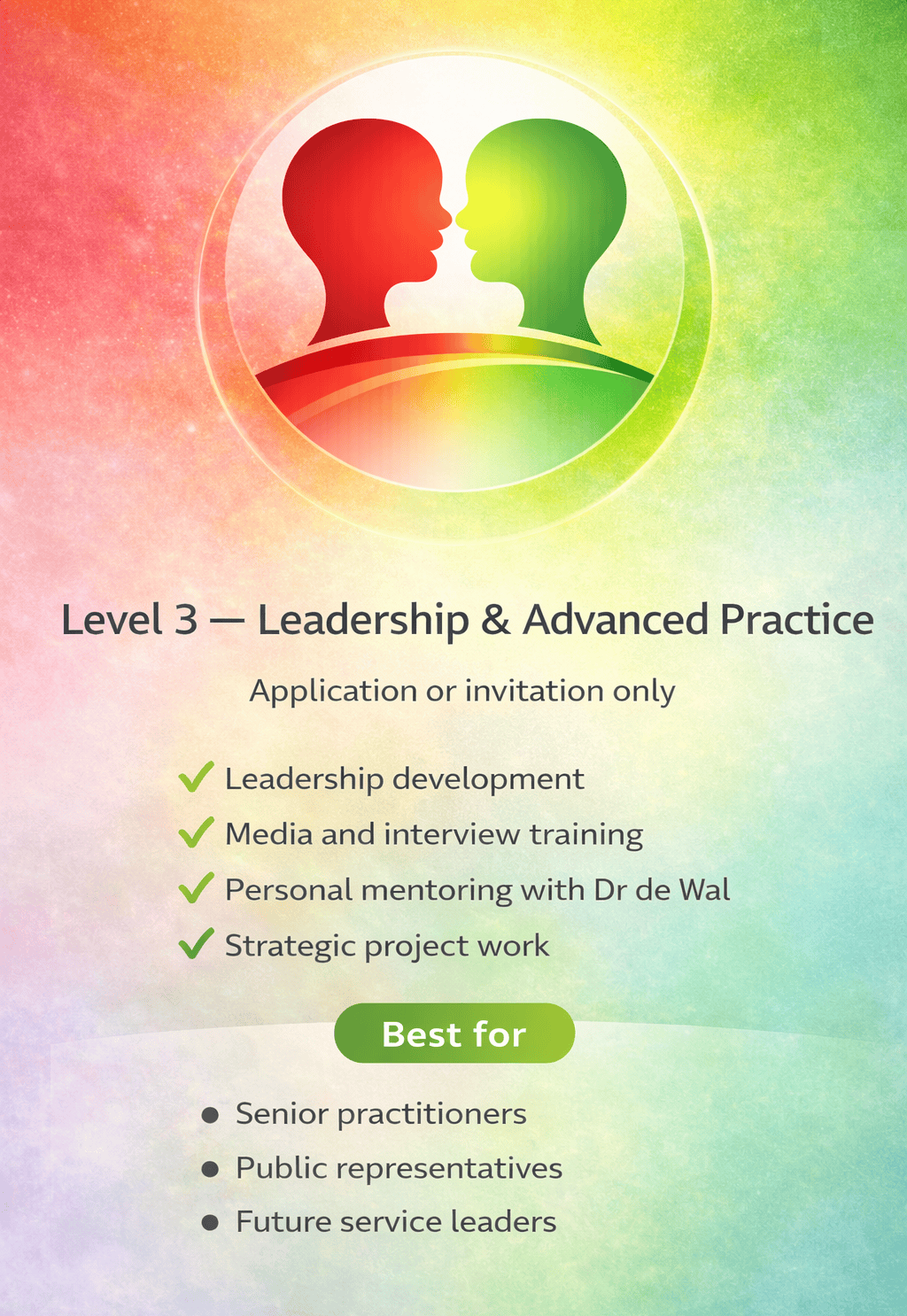
• Leadership and sector-specific development pathways
National organisations retain responsibility for:
• Worldview assessment
• Accreditation and endorsement
• Professional registers
• Governance and safeguarding oversight
• Final assessment centres
This partnership model strengthens both layers.
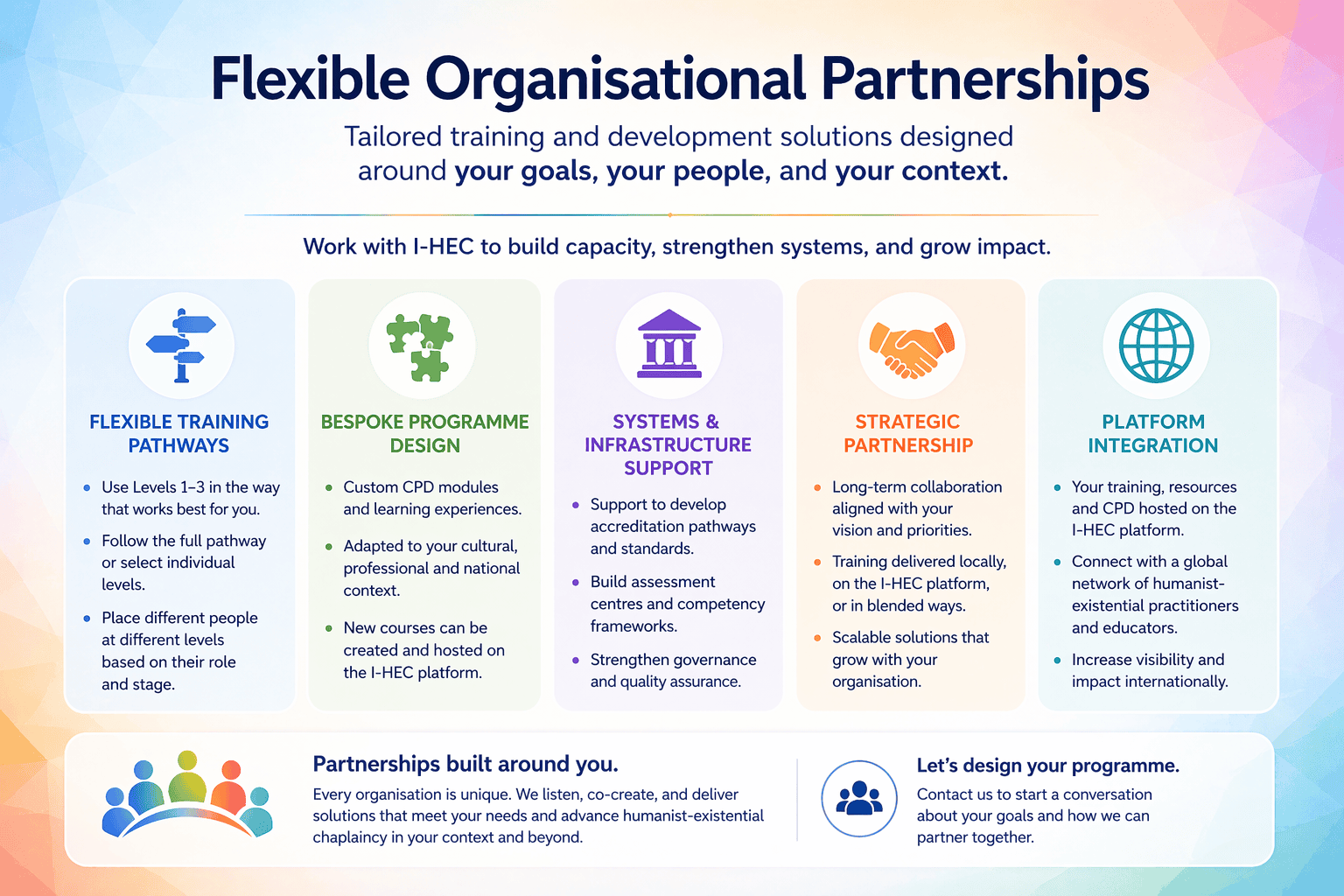
I-HEC enables organisations to scale formation without increasing internal training burden.
By integrating I-HEC programmes into national pathways, organisations may:
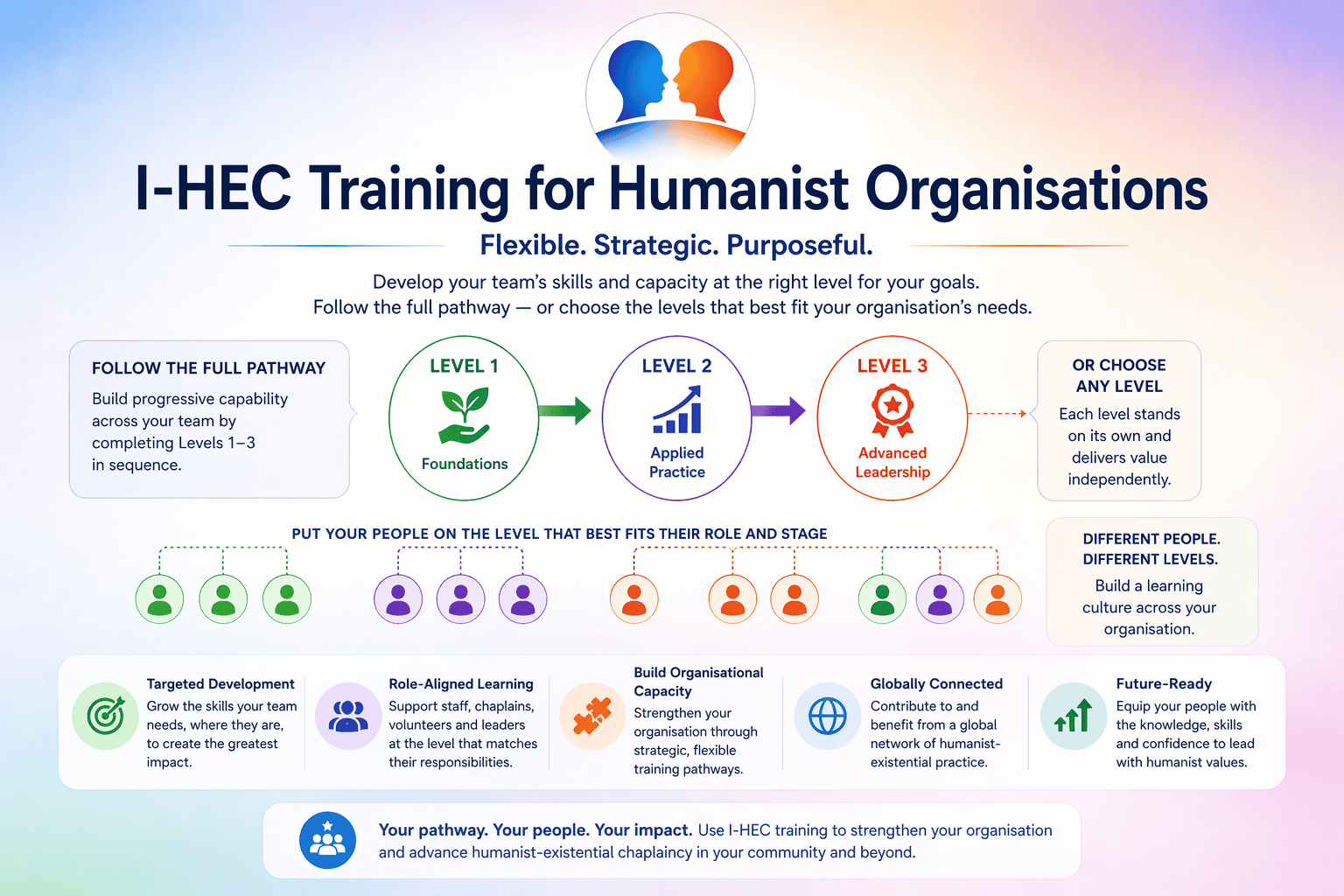
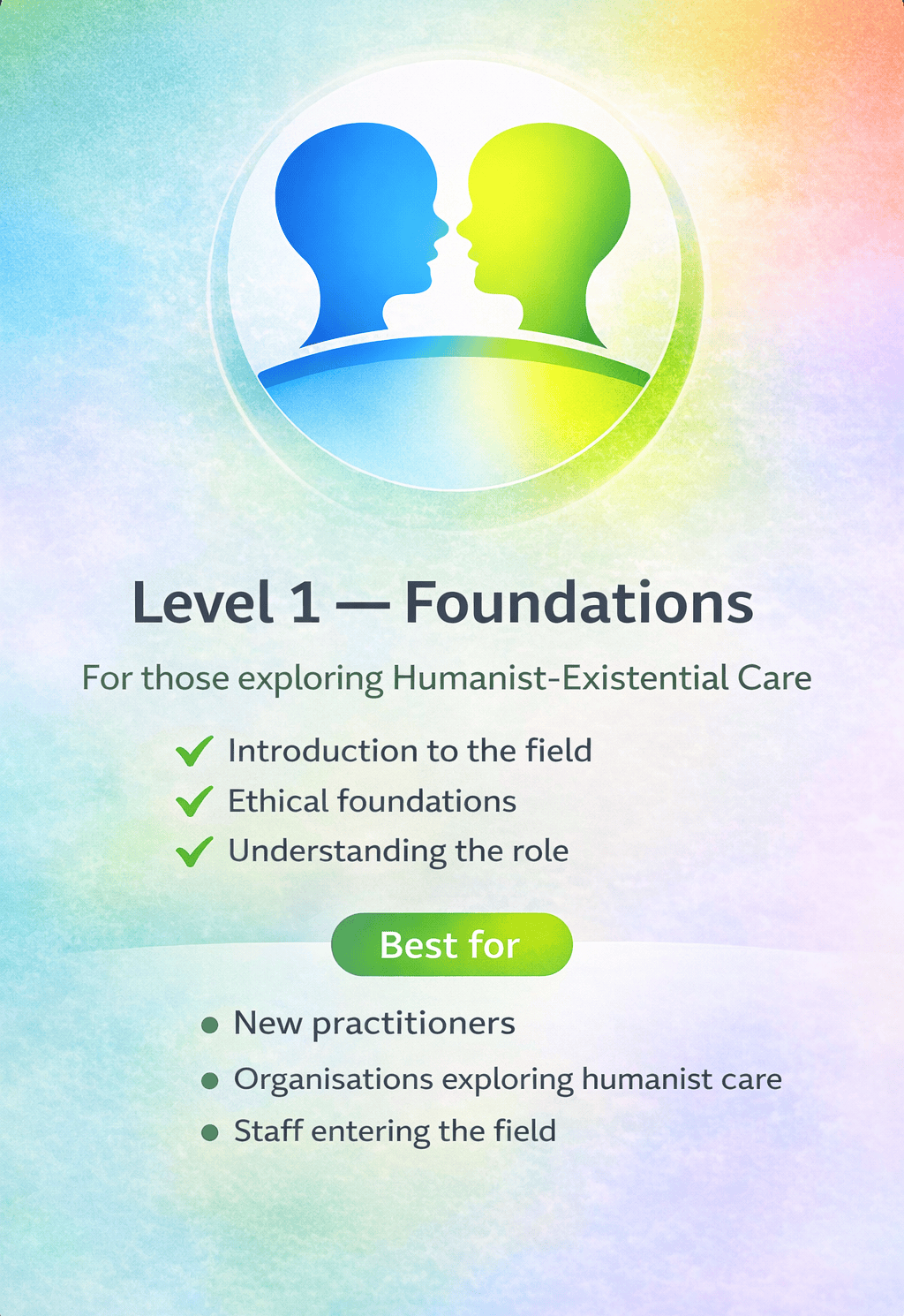
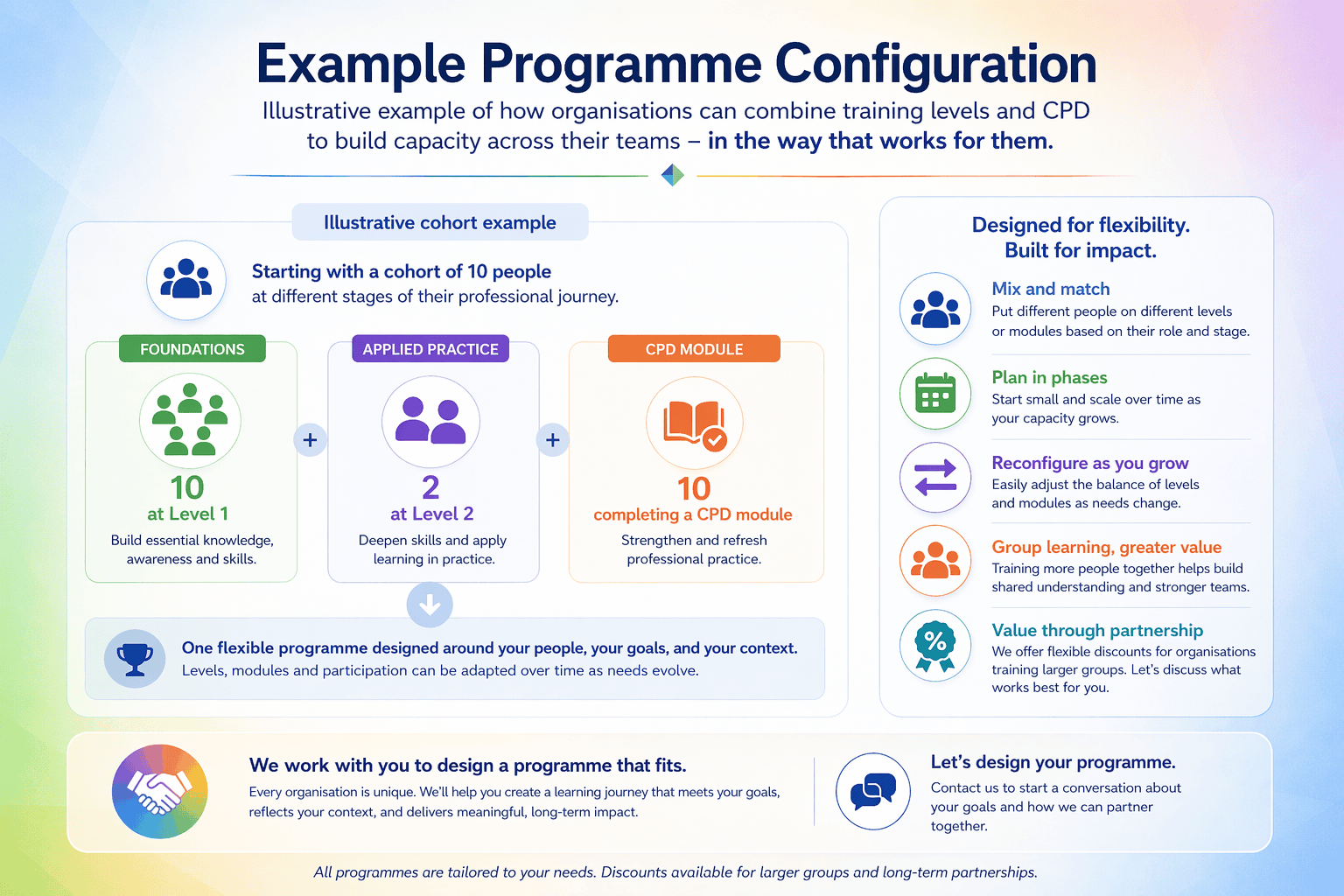
• Recommend or require completion of I-HEC Foundations or Professional Formation
• Reduce reliance on volunteer-led training cycles
• Ensure consistent baseline competence across applicants
• Focus internal resources on assessment and endorsement
Practitioners arrive at national assessment centres better prepared, portfolio-ready, and grounded in applied skills.
I-HEC also supports existing accredited practitioners.
Institutional partners may offer access to structured CPD modules that reinforce:
• Ethical and reflective practice
• Sector-specific competence
• Safeguarding and boundary awareness
• Leadership development
• Service development skills
• Ongoing professional identity formation
This supports quality assurance and risk management while strengthening practitioner confidence and public credibility. I-HEC can provide documented CPD hours which organisations may recognise within their renewal or review processes.
Volunteer-led training models can be resource-intensive and limit practitioner throughput.
By partnering with I-HEC, organisations may:
• Redirect resources toward accreditation and governance
• Increase practitioner numbers without expanding training administration
• Reduce waiting lists
• Improve consistency and quality
• Offer structured CPD without developing content internally
This is not a cost-cutting measure; It is a structural efficiency and quality enhancement strategy.
I-HEC operates within a framework aligned with Humanist–Existential Standards developed through the European Humanist Services Network.
This provides:
• Coherence across countries
• Shared professional language
• Increased comparability
• Strengthened international credibility
While respecting national autonomy, I-HEC contributes to a maturing global professional ecosystem.
I-HEC is:
• A professional formation institute
• A CPD provider
• An infrastructure partner
• A contributor to quality assurance
• A supporter of national accreditation systems
I-HEC is not:
• A membership body
• An accrediting authority
• A holder of practitioner registers
• A replacement for national governance
National organisations remain the custodians of endorsement and professional recognition within their jurisdiction.
I-HEC exists to strengthen the field of humanist–existential chaplaincy by supporting formation, enhancing CPD, and contributing to consistent professional standards.
By partnering with I-HEC, organisations can:
• Increase practitioner numbers
• Maintain national autonomy
• Strengthen quality assurance
• Support ongoing practitioner safety
• Reduce administrative burden
• Align with international standards
I-HEC strengthens formation while preserving governance.